


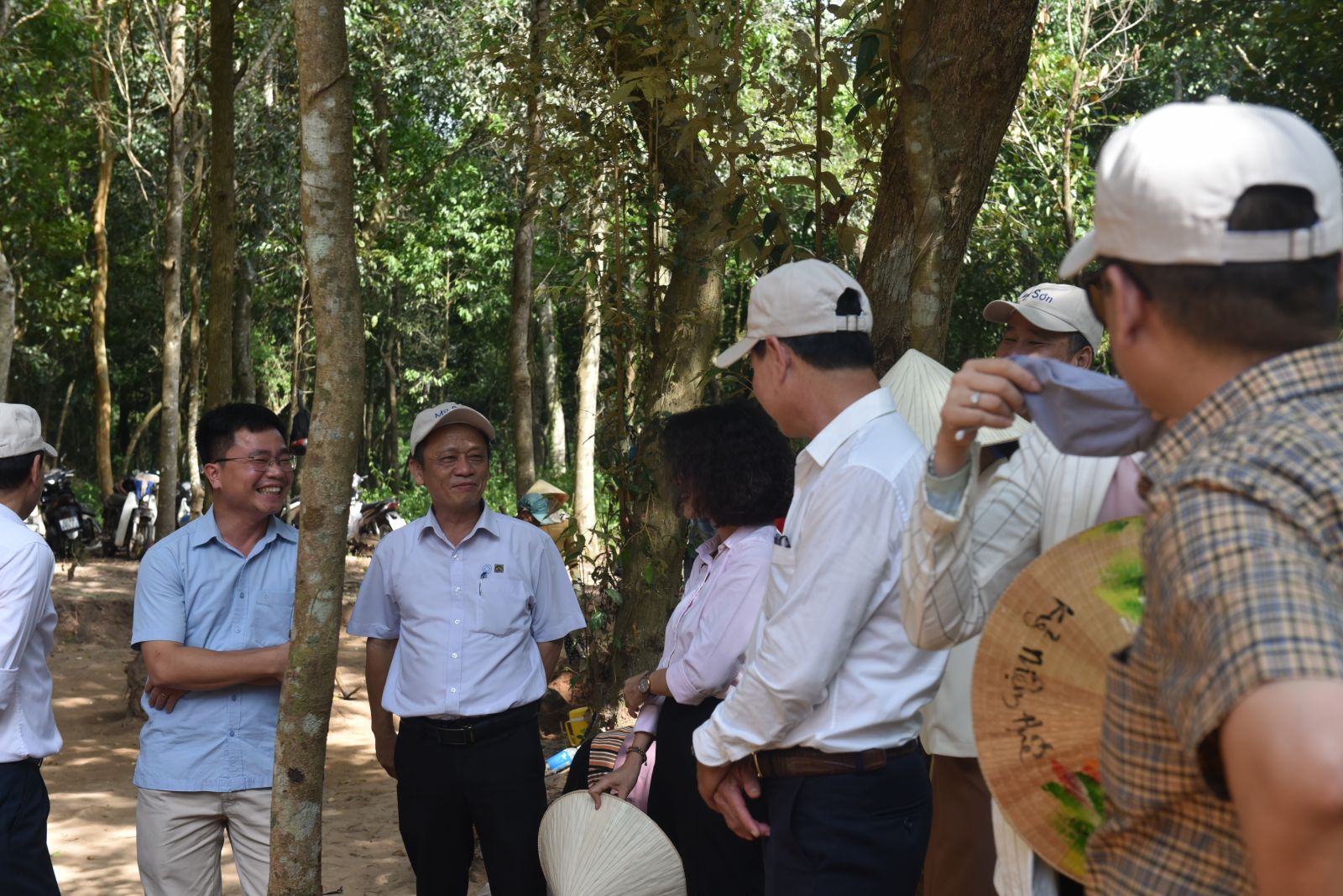
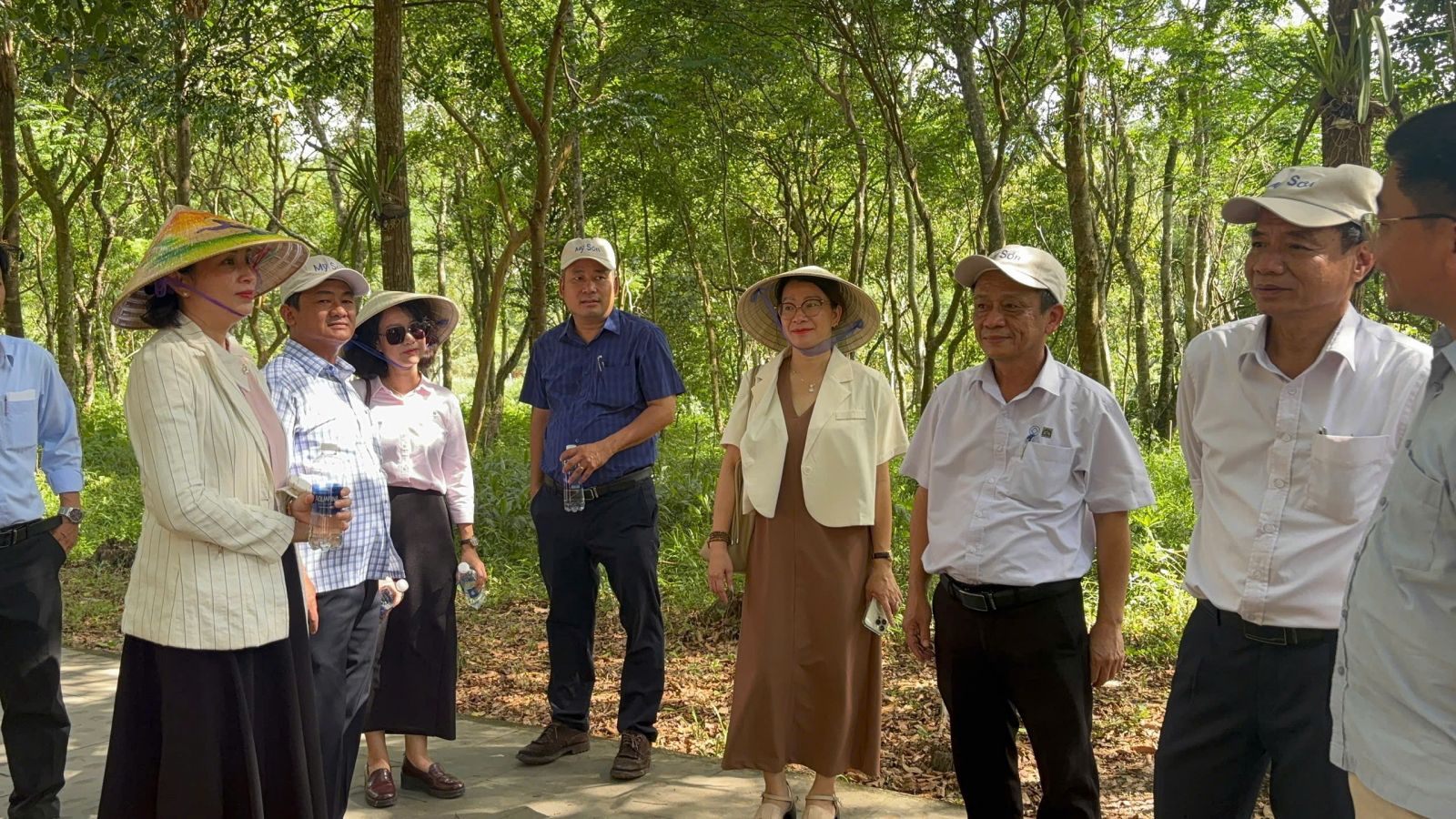
Chiều ngày 02/8/2025, tại Phòng họp BQL Di sản Văn hóa thế giới Mỹ Sơn đã diễn ra Hội nghị báo cáo kết quả sơ bộ khai quật khảo cổ tại nhóm tháp L năm 2025. Tham dự Hội nghị có ông Hà Vỹ - Phó Giám đốc Sở Văn hóa, Thể thao và Du lịch TP Đà Nẵng, Bà Dương Lê Phương - Trưởng phòng Quản lý văn hóa, Sở Văn hóa và Thể thao thành phố Đà Nẵng, Tiến sỹ Đặng Khánh Ngọc - Viện trưởng Viện bảo tồn di tích, Tiến sĩ Nguyễn Ngọc Quý - Viện khảo cổ, Dr. Patrizia Zolese - Chuyên gia khảo cổ học Ý,Bà Lê Thị Thu Trang - Giám đốc Bảo tàng Điêu khắc Chăm Đà Nẵng, Ông Nguyễn Dũng - Phó Chủ tịch UBND xã Thu Bồn. Trong khuôn khổ hoạt động, các đồng chí lãnh đạo và khách mời đã xem biểu diễn văn nghệ dân gian Chăm, tham quan thực trạng dự án bảo tồn trùng tu nhóm đền tháp EF, nhóm L và khảo cổ học nhóm tháp K; dự cuộc họp online giữa Ban quản lý Di sản Văn hóa thế giới Mỹ Sơn, đại diện Viện Bảo tồn di tích, Viện Khảo cổ học và đại diện Quỹ C.M. Lerici (Italia).

Theo quyết định số 1263/ QĐ-BVHTTDL ngày 06/5/2025 của Bộ Văn hoá Thể thao và Du lịch Việt Nam cho phép Ban Quản lý Di sản Văn hoá Thế giới Mỹ Sơn phối hợp với Viện Bảo tồn di tích, Viện Khảo cổ học và Quỹ C.M. Lerici (Italia) khai quật khảo cổ tại nhóm L, Khu đền tháp Mỹ Sơn, xã Thu Bồn, Thành phố Đà Nẵng. Thời gian khai quật được thực hiện từ ngày 09/5/2025 đến 30/7/2025 với diện tích khai quật cho phép là 150m2. Chủ trì khai quật là TS Nguyễn Ngọc Quý – Viện Khảo cổ. Đây là cuộc khai quật lần thứ 2 tại nhóm L sau lần khai quật đầu tiên vào năm 2019. Cuộc khai quật lần này nhằm mục đích mở rộng khu vực khảo sát của Nhóm L thêm phần sườn đồi phía Đông; Tiến hành khai quật một phần để thu thập thêm dữ liệu về khu vực nhóm L, đặc biệt làm rõ các cấu trúc thành phần tường gạch bao quanh các kiến trúc L1 và L2; Tiếp tục nghiên cứu phân loại hình thái ngói lợp của các kiến trúc L1 và L2, cũng như các hiện vật gốm liên quan; Loại bỏ các phần bị sụp đổ ở cả bên trong lẫn bên ngoài kiến trúc L1; Hoàn thiện các bản vẽ cuối cùng cho đề xuất dự án bảo quản, tu bổ các thành phần kiến trúc trong Nhóm L.
Từ đầu thế kỷ 20, địa điểm nhóm L được ghi nhận bởi Henri Parmentier (Viện Viễn Đông Bác Cổ Pháp) là một kiến trúc như một phòng dài, lợp ngói có hai cửa mở đối diện. Cuộc khai quật đầu tiên do C.M. Lerici tiến hành vào năm 2019 đã ghi nhận thêm một nền móng kiến trúc nằm phía Tây của phòng dài L, các nhà khảo cổ đặt tên cho công trình phát hiện trước đó là L1 và nền móng phát hiện sau là L2. L1 và L2 nằm trên trục kiến trúc theo hướng Đông Tây và có tường bao xung quanh. Trong 2 tháng qua, các hố khai quật mới đã được mở và công tác bóc tách có hệ thống các lớp vật liệu sụp đổ bên trong và xung quanh kiến trúc L1 được tiến hành nhằm làm lộ rõ các đặc điểm kiến trúc cũng như nghiên cứu trình tự sụp đổ và quá trình biến đổi của di tích theo thời gian. Cuộc khai quật cũng phát hiện nhiều mảnh gốm và nhiều loại ngói lợp nằm trên nền và lối đi xung quanh L1. Công tác bóc tách cũng cho thấy quá trình huỷ hoại của thiên nhiên và bom đạn trong chiến tranh. Phần mái kết cấu gỗ, lợp ngói sụp đổ ở giai đoạn đầu và tường sập đổ sau đó chủ yếu là do bom đạn của chiến tranh.
Dựa trên các nghiên cứu ban đầu, các nhà khảo cổ nhận định những kiến trúc L có niên đại khá muộn khoảng vào thế kỷ 13 và có thể được sử dụng đến đầu thế kỷ 14. Kết quả quá trình khai quật đã cho thấy rõ, các kiến trúc và các thành phần cấu trúc gạch hiện còn tại nhóm L cần được củng cố ổn định khắc phục hậu quả tác động của thời gian, của chiến tranh để lại. Tổng thể Khu vực nhóm L cần được bảo vệ toàn vẹn lâu dài, bền vững sẵn sàng đóng góp phát huy giá trị. Kết quả khai quật và phát hiện mới tại nhóm L đã góp phần nhận diện giá trị các kiến trúc muộn tại di sản thế giới Mỹ Sơn, mở rộng không gian kiến trúc đền tháp và tạo điểm tham quan nghiên cứu cho cộng đồng trong thời gian tới.
Hội nghị cũng là dịp để các bên cùng trao đổi, đóng góp ý kiến về hướng đi phù hợp cho việc nghiên cứu, bảo tồn nhóm tháp L, một phần không thể thiếu trong bức tranh toàn cảnh về thánh địa Mỹ Sơn. Qua đó, khẳng định vai trò thiết yếu của khảo cổ học trong công cuộc bảo tồn di sản, đồng thời mở ra nhiều kỳ vọng về những khám phá mới trong hành trình tìm lại dấu tích của nền văn minh Chămpa rực rỡ.
Quỳnh My
02 Tháng 8,2025
Chia sẽ mạng xã hội
- TRẢI NGHIỆM NGHE HÁT DÂN CA CHĂM VÀ CHỤP HÌNH CHECK – IN TẠI HỒ SEN KHU ĐỀN THÁP MỸ SƠN (17.06.2026)
- Nâng cao hiệu quả phòng cháy, chữa cháy rừng tại Khu bảo vệ cảnh quan di tích lịch sử văn hóa Mỹ Sơn (05.06.2026)
- HỌC SINH TRUNG TÂM NGOẠI NGỮ GOLDEN BEE TRẢI NGHIỆM CHƯƠNG TRÌNH GIÁO DỤC DI SẢN TẠI BẢO TÀNG VĂN HÓA SA HUỲNH – CHAMPA (05.06.2026)
- PHÒNG BẢO TỒN BẢO TÀNG KHẢO SÁT SƠ BỘ HỆ THỐNG VĂN KHẮC, VĂN BIA PHỤC VỤ LẬP HỒ SƠ DI SẢN TƯ LIỆU TẠI KHU ĐỀN THÁP MỸ SƠN (12.05.2026)
- RỰC RỠ “SẮC MÀU DI SẢN” – BẢN GIAO HƯỞNG VĂN HÓA GIỮA LÒNG THÁP CỔ (01.05.2026)
- Ban Quản lý Di sản Văn hóa thế giới Mỹ Sơn tiếp nhận, thả về tự nhiên cá thể Cu li quý hiếm (28.04.2026)


